
Why September · Migration
Southern Right Whales
Mothers and calves hug the South Coast between June and October — close enough from shore to hear them breathe.
The story
Why it matters
Every winter, Southern Right Whales travel up from Antarctic feeding grounds to calve in the sheltered bays of Australia's South Coast. By September, mothers and newborns are resting close to shore — sometimes just metres from the cliffs at Albany and Bremer Bay.
History & background
Once hunted to the brink — fewer than 300 remained in the southern hemisphere by the 1920s — Southern Rights are slowly recovering thanks to a global hunting ban. They were named 'right' because they were the 'right' whale to hunt: slow, coastal, and they floated when killed. Today, the same coastal habits make them one of the easiest great whales to see from land.
What to expect
Long, slow surfacings. White spray hanging in the air. A calf rolling beside its mother. From the right headland on a calm day, you can watch a pod for hours without binoculars. Humpbacks pass through too, often breaching offshore.
Cultural significance
For the Menang Noongar people of Albany, whales (mamang) are deeply woven into stories and seasonal lore. The Museum of the Great Southern and the former whaling station at Discovery Bay tell both the Indigenous story and the dark history of industrial whaling that ended here in 1978.
Gallery
Through the lens


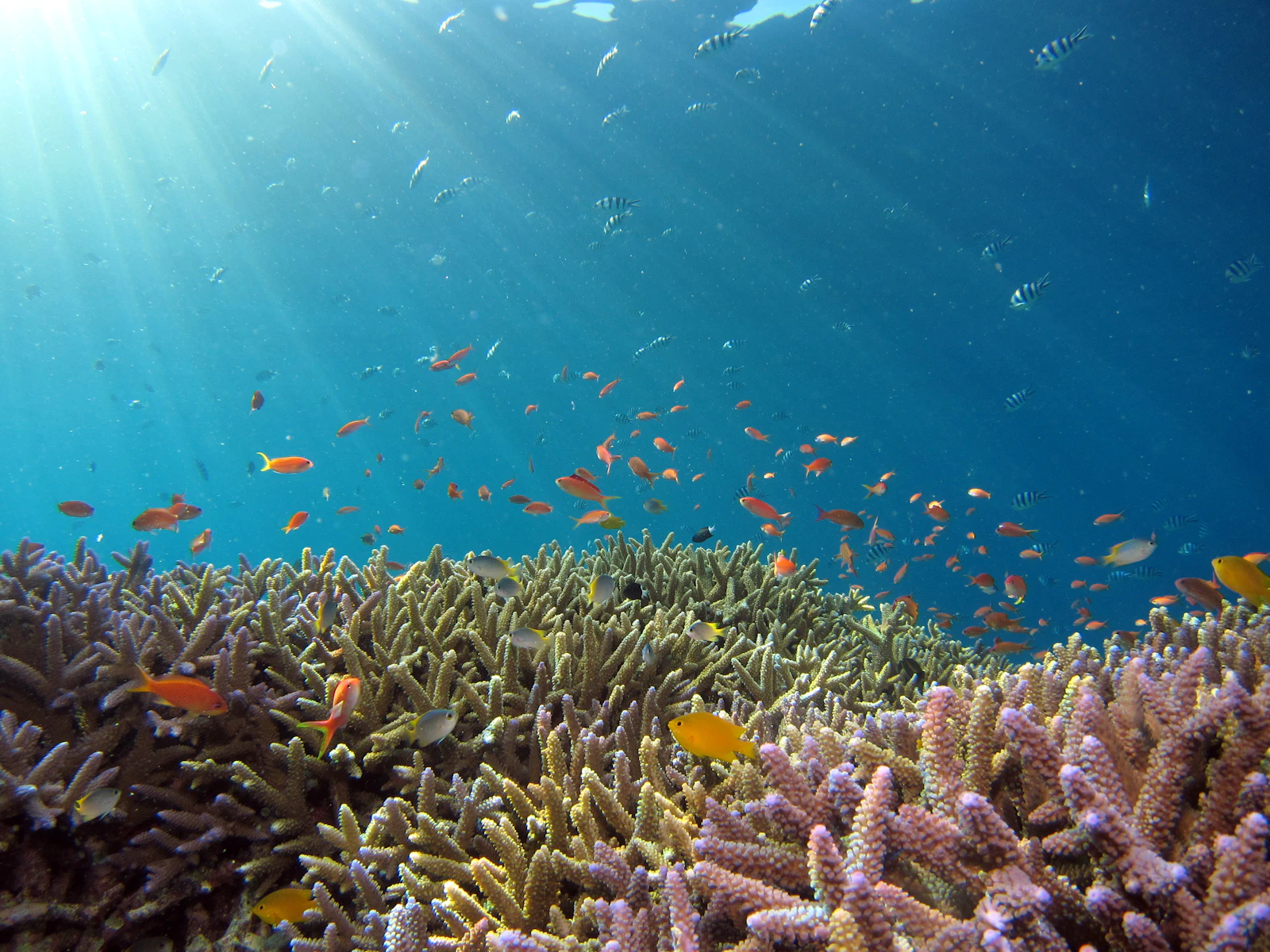

What to look for
Don't miss
Torndirrup cliffs
Albany's wild south coast — whales often loaf in the bays directly below.
Bremer Bay headlands
Calving nursery; mothers and calves sometimes within 50 metres of shore.
Point Ann (Fitzgerald River NP)
A dedicated whale-watching platform overlooking a major nursery bay.
Discovery Bay, Albany
Former whaling station turned museum — confronting and brilliant.
Best places
Where to experience it
Albany & Torndirrup NP
View →Southern Right and Humpback whales June–October from the cliffs.
Bremer Bay
View →One of the world's best land-based nursery viewing locations.
Point Ann
View →Purpose-built whale viewing platform in Fitzgerald River NP.
Cape Leeuwin
View →Migration corridor — humpbacks often visible from the lighthouse.
Travel tips
Travel tips
- Calm, overcast mornings make blows easier to spot against the water.
- Bring binoculars and warm layers — the South Coast wind cuts even in September.
- Scan slowly. Whales surface for 10–15 seconds at a time — patience pays.
- Keep dogs leashed and stay back from cliff edges; rogue waves are real here.
Fun facts
Fun facts
- A Southern Right's head is covered in unique callosity patterns — like a fingerprint.
- Newborn calves are around 4–5 metres long and gain 50 kg a day.
- Their distinctive V-shaped blow is visible from over a kilometre away.